
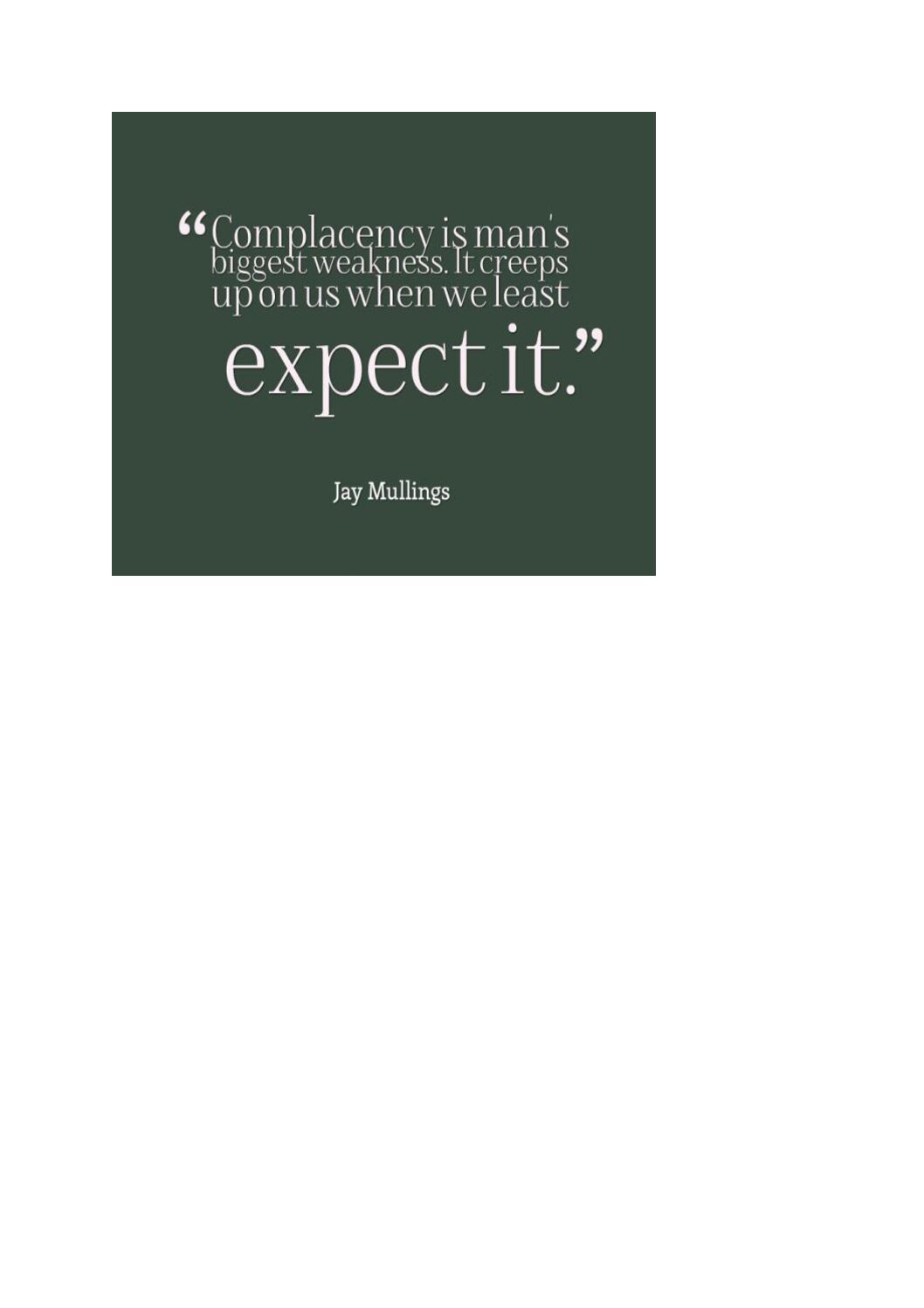
ADDRESSING COMPLACENCY
I wasn’t complacent about the recent named storms and adjusted my plans accordingly, but on the Sunday the local weather was sufficiently subdued for my usual run. The run was not as peaceful or relaxing as some, mirroring the chaos of the weather, but it was good to get outside and run alongside a fast running brook, absorbing energy from its turbulence. From what I am about to write, you will probably think I am entirely obsessed with dogs whilst in the outdoors. Hence, I would like to start by emphasising that I have many mutually friendly and considerate interactions with dog walkers. Last month I raised the issue of complacency using my encounter with a dog whilst out running. I also asked the question: how do we combat complacency? In the absence of any suggestions from the readers of NDT News, you will have to make do with my opinions and what better vehicle to use to illustrate these by continuing the dog theme?
The first of the latest relevant encounters came early on as I was running down the road. The dog walker was coming towards me on the same pavement with the dog on a lead. No apparent concern, except my previous experiences had made me wary. So, I took steps to mitigate the inevitable. I stepped into the road to give them a wide berth, but when I was abreast of him, the dog lunged and was pulled up just short by the lead. No harm done, though it did cause me to jump further into the road and it doesn’t need a lot of imagination to think what could have occurred if there had been traffic around. After concentrating on negotiating a particularly muddy section, I moved onto a tarmac lane and ran past a van, feeling relaxed until a wet nose suddenly nuzzled my hand and I turned to look a German shepherd in the eye. It obviously didn’t see me as either a threat or dinner and returned to its owner when called.
The final encounter involved no physical menace to me but could have had sad consequences. When running past a group of four adults with as many dogs, little attempt was made to make room for me to run past and when the smallest puppy made a beeline for me, I had to stop to avoid any contact with it. Would you have had faith in my lightness of foot and dexterity to avoid a collision?
I am not in a position to assign complacency to the dog owners in the incidents above, but each provides an insight into how we can avoid complacency in our work and home lives. Complacency sets in when we get familiar with the status quo and a lengthy absence of untoward occurrences reinforces the belief that this will always be the case. We see no need to alter our behaviour or take extra precautions. The first example illustrates how addressing an obvious risk, in this case by use of the lead, leads us to believe that this is sufficient and any further potential risks are not considered. In the second, my sudden appearance causes an unexpected change in the situation, which hadn’t been foreseen. Finally, the last example is illustrative of complacency due to not being aware of a possible risk.
So how do we avoid being victims of complacency without becoming nervous wrecks by seeing demons around every corner? The answer is two pronged: self-reflection on the particular aspect of our life; together with external observation and learning from others. Self-reflection requires taking time out to think about the things we take for granted. For working in a dangerous environment, this may need to be every time we enter the environment. Are we making assumptions on the risks? Has anything changed since last time? Is there anything else that could be done to make it safer? In business, career and relationships, we need to do this periodically. Are we doing enough to keep our customers? To keep our skills up to date? To maintain our relationships with people who are close to us? Observation of what others are doing gives us a short cut to assessing our own circumstances. An everyday example is how we observe other road users. Their behaviour, near misses and especially hits can reinforce what we need to do if we are to arrive safely. This applies equally in the other aforementioned areas of our lives. In essence, we need to change our perspective and take a different view of our actions. To ensure I am not complacent about you reading this column, I will be returning to changing perspectives in a future article.
Reproduced here with the kind permission of the author Bernard McGarth. On the Job printed in the BINT magazine – email : bernard.mcgrath1@jacobs.com